Gracias al amigo Jorge Moreno (@historiador) me enteré de esta nota del periodista Iker Seisdedos sobre la historiadora estadounidense Alice L. Baumgartner. Publicada en el diario español El País el 15 de agosto de este año, Seisdedos dedica su nota al trabajo de la Dr. Baumgartner sobre el papel que jugó México como destino para esclavos fugitivos del sur estadounidense. Así como también de la colaboración que existió entre los gobiernos de Lincoln y Juárez durante la guerra civil estadounidense. .
Baumgartner es doctora en historia por Yale University. Actualmente se desempeña como profesora de historia en la Universidad del Sur de California. Su libro South to Freedom: Runaway Slaves to Mexico and the Road to the Civil War, fue publicado por Basic Books en el año 2020.
Iker Seisdedos es corresponsal de El país en Washington.

Ferrocarril subterráneo rumbo al Sur: la desconocida historia de los esclavos que huían a México
Iker Seisdedos
El País 15 de agosto de 2023
El patrón del Metacomet descubrió la deserción de los hermanos Frisby, George y James, cuando en el verano de 1857 el barco de vapor estaba listo para regresar de Veracruz a Nueva Orleans a por más algodón. El tipo dio aviso a la policía, pero se guardó un dato: los Frisby eran negros, propiedad de un plantador de Luisiana, y, según la Constitución recién aprobada, cualquier esclavo se convertía en un hombre libre con solo poner un pie en México, cuyo Congreso había abolido la servidumbre humana en 1837. A George lo apresaron rápido. James supo esconderse mejor, pero sobre todo acertó al contar su historia a las autoridades cuando al fin dieron con él. Por eso, no lo enviaron de vuelta al Metacomet, pese a la queja formal del embajador estadounidense.
La de los Frisby es una de las muchas historias humanas que la joven historiadora estadounidense (nació en 1987) Alice L. Baumgartner, profesora de la Universidad del Sur de California, relata con pulso narrativo y empatía en South to Freedom (Sur hacia la libertad, cuyo subtítulo dice: “Esclavos fugitivos a México y el camino que llevó a la Guerra Civil”). El ensayo revela que también hubo un ferrocarril subterráneo (underground railroad) en el sur de Estados Unidos, una red de casas y personas que ayudaban a los fugitivos en su huida hacia México en busca de la libertad desde los estados esclavistas de Texas o Luisiana y, en menor medida, Carolina del Norte. Además, el libro analiza de una forma novedosa cómo la decisión de erradicar la esclavitud precipitó las discusiones en el vecino del norte que acabaron desembocando en la Guerra de Secesión.
 La ruta del sur no gozó de tanta fama como la del norte y fue menos transitada: Baumgartner calcula que si la frontera con México la cruzaron de tres a cinco mil fugitivos esclavizados, entre 30.000 y 100.000 atravesaron la línea Mason-Dixon, división geográfica y mental que separa a la altura de Pensilvania las dos Américas que se enfrentarían entre 1861 y 1865.
“Era más fácil arriba. Quienes partían de los estados esclavistas más al norte, Maryland, Virginia o Delaware, contaron con mejor ayuda, pero también les aguardaba un peor porvenir”, explicó recientemente la historiadora en la elegante biblioteca del Instituto Cultural Mexicano en Washington, donde el día anterior habló sobre su libro como parte de los actos de conmemoración del bicentenario de las relaciones diplomáticas entre México y Estados Unidos. “En el colegio, todos conocíamos a [la líder antiesclavista] Harriet Tubman y el mito de una ruta de casas con velas encendidas en las que las personas esclavizadas podían refugiarse. Ese mito dice que era una red formada fundamentalmente por blancos, cuando también hubo negros libres que fueron esenciales. Esas ideas han sido revisadas en los últimos tiempos”.
Fueran en la dirección que fueran, les esperaban el racismo y el riesgo de ser secuestrados. En México, adonde llegaban con permisos falsificados de sus dueños, se hacían pasar por blancos con pelucas falsas o montaban caballos robados, tenían dos opciones: sumarse a las colonias militares que defendían la frontera del Nordeste de las incursiones de los indios o integrarse en lo más bajo de la fuerza laboral. “Hay pruebas en los archivos de que algunos fueron capaces de reclamar tierra y la ciudadanía. Eso no pasaba en el norte, donde disfrutaban de lo que [el escritor y político] Frederick Douglass definió como ‘una dudosa libertad’. En la lucha entre el derecho a la propiedad y el derecho a la libertad tendió a imponerse el primero incluso en las zonas antiesclavistas de Estados Unidos. Existía el debate sobre si los descendientes de africanos podían ser considerados ciudadanos en absoluto”, explica.
Baumgartner empezó a escribir su ensayo en 2012, sin saber que contaría con la ayuda del autor Colson Whitehead, que en 2017 sacó el ferrocarril subterráneo de los manuales de historia para instalarlo en la cultura popular con una novela homónima (publicada en español por Literatura Random House), que le valió su primer Pulitzer y que luego adaptaría en una serie Barry Jenkins (Prime Video). La historiadora se había decidido por el tema a partir del caso de Haití; tras hacer la revolución contra los franceses, el país tumbó la esclavitud en 1804, y promulgó en 1819 una ley que daba la libertad a quien pusiera un pie en su territorio. Eso provocó turbulencias en los países vecinos. Así que Baumgartner indagó en las consecuencias que tuvo en Estados Unidos la decisión de México de abolir la servidumbre, sobre todo tras la conquista de Texas en la guerra de 1848. “En 1837, el Congreso prohibió la esclavitud en todo el país. Esta política de abolición elevó la moral entre los mexicanos, galvanizó el apoyo internacional para el país”, escribe en el libro. “Sin esa decisión, que puso nerviosos a los propietarios de esclavos“, aclaró en la entrevista, “tal vez nunca se habría dado la Revolución de Texas, y quién sabe si ese territorio seguiría siendo hoy mexicano. Estoy de acuerdo con [el historiador] Enrique Krauze, cuando dice que a los pecados originales de mi país, la esclavitud y el genocidio del pueblo indígena, hay que sumar un tercero: la usurpación de esos territorios mexicanos”.
La unión de esos puntos es tal vez la gran aportación del libro, que toma un camino poco transitado: contar la historia de ambos países como un relato interconectado. “A muchos les sorprendió cuando lo publiqué; les costaba admitir que México hubiera tenido un papel en los debates estadounidenses de la época sobre la esclavitud”.
‘Bad hombres’
Fue, explica, otra expresión de la condescendencia con la que sus compatriotas acostumbran a mirar al sur. “Hubo muchos momentos al revisar las fuentes del siglo XIX en los que no podía evitar pensar en lo que cada día veía en las noticias. Por ejemplo, cuando [Donald] Trump empezó con la retórica de que los mexicanos eran bad hombres y violadores, o cuando decía que haría que pagaran por el muro. Me recordó a aquel político estadounidense [Jacob W. Miller, congresista de Nueva Jersey], que dijo que México pagaría por la guerra contra Estados Unidos con su propio territorio. Me interesé por la historia del siglo XIX porque me parecía un lugar muy distinto de la vida moderna. Pero a veces resultan inquietantemente similares”.
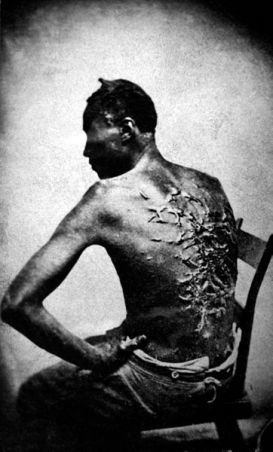
Baumgartner explica que el virreinato de Nueva España fue siempre un lugar mucho más diverso que Estados Unidos, y en cierto sentido, también más avanzado. “Las diferencias demográficas explican las distintas aproximaciones al tema racial en ambos lugares. En 1810, había 10.000 esclavos en Nueva España, frente al millón aproximadamente de Estados Unidos”, recuerda. En el libro, lamenta que esa disparidad llevara a los historiadores de su país a concluir erróneamente que México abolió en 1837 la servidumbre humana porque le era más fácil, dado que su población esclava estaba en declive. “Creo que se tomó esa decisión por motivos humanitarios y políticos, pero sobre todo se hizo con Texas en la cabeza, como una manera de parar los pies a los colonos”.
El libro, que llega hasta 1867, también se detiene en las peripecias de algunos protagonistas del siglo XIX norteamericano. Como Vicente Guerrero, líder rebelde en la guerra de la independencia con España y descendiente de esclavos africanos que, durante su breve presidencia, abolió la esclavitud por decreto en 1829. O Abraham Lincoln, que, siendo congresista, se opuso a la guerra de Texas, y Benito Juárez, cuyas efigies destacan en el mural del Instituto Cultural de Washington, encargado a Roberto Cueva del Río por recomendación de Diego Rivera.
“La alianza de Lincoln y Juárez contribuyó a estrangular a la Confederación”, considera Baumgartner. “Y ahí fue esencial la figura fascinante del diplomático Matías Romero, representante mexicano en Estados Unidos. Fue el primer enviado extranjero en felicitar a Lincoln tras lograr la presidencia. Así empezó una interesante relación entre ambos, recogida en sus cartas. Romero, desde el principio, vio algo que solo más adelante Lincoln llegaría a ver: que México y Estados Unidos tenían el compromiso compartido con la igualdad y la libertad, y que eso podría ser la base de la cooperación entre los gobiernos de Juárez y Lincoln”.
Aquel fue, considera la autora, uno de los momentos estelares de la relación entre dos países separados (y unidos) por 3,200 kilómetros de frontera y condenados a entenderse. Una relación que aún define una socorrida frase atribuida inexactamente al presidente Porfirio Díaz: “Pobre México, tan lejos de Dios y tan cerca de Estados Unidos”.


 Thousands of slaves did, in fact, escape to the North between 1830 and 1860, and many of them benefited from the help of activists such as William Still, David Ruggles and Sydney Howard Gay during their journey. White and black reformers in frontier towns and east coast cities organized vigilance committees and other antislavery organizations to provide fugitives with financial and legal support as well as more covert (and frequently illegal) assistance. But these often ad hoc groups were not coordinated at the statewide or regional level, and many of them lasted only a short time.




 El Imperio de Calibán